Skip to content
Muse Atlas
All use cases

Coordinated AI work

Coordinate specialized workers with review and isolated workspaces.

Concept: coordinated ai work

What this is useful for

Illustrative tasks you could bring to Muse. The tools and access you provide determine what can be completed.

1

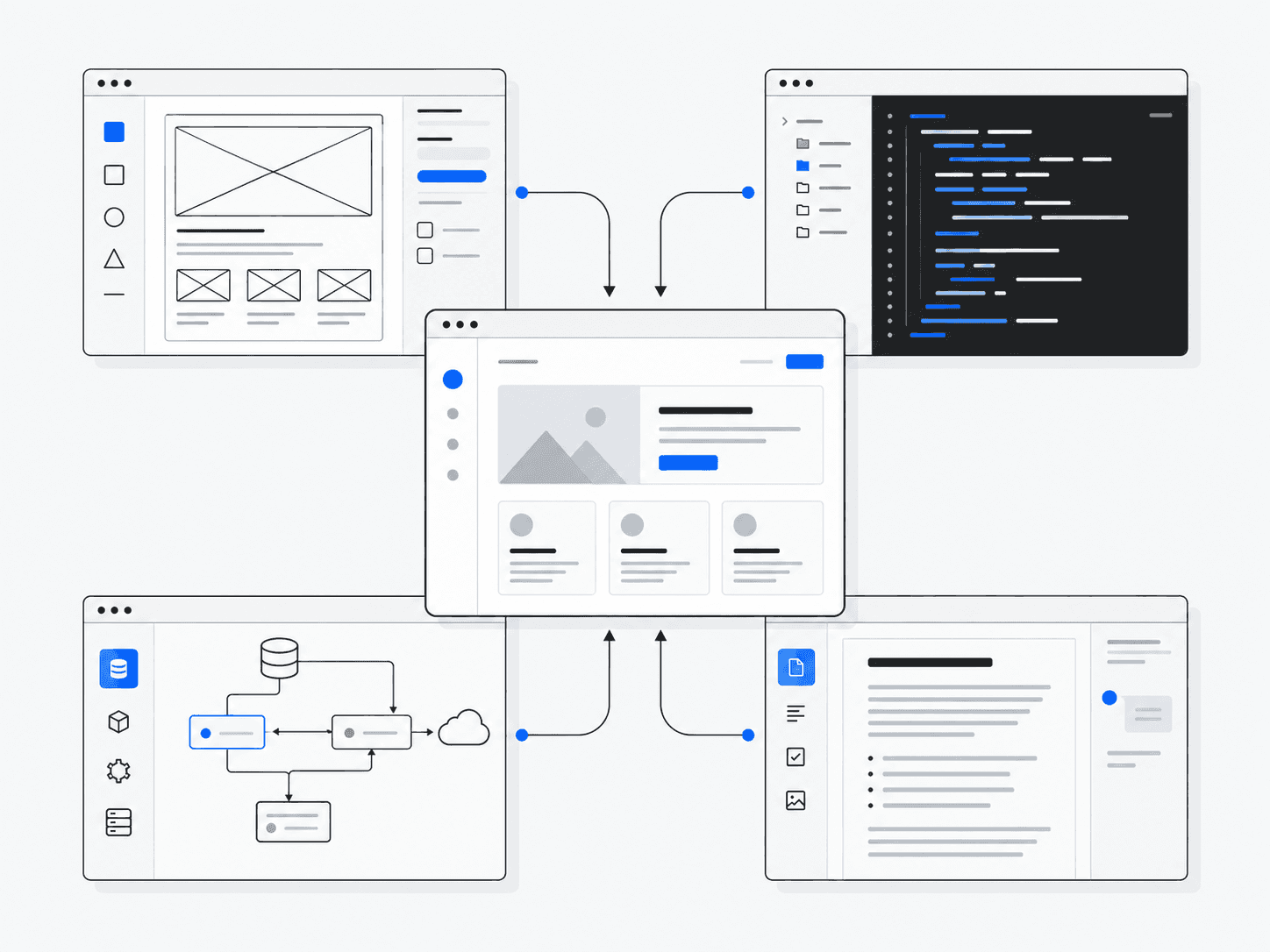
Split a product prototype into roles

“Coordinate design, frontend, backend and writing work.”
  1. Define separate responsibilities
  2. Share constraints
  3. Produce independent work
  4. Review the combined result

What you getA coordinated draft with a clear integration step.
2

Investigate several approaches

“Explore these possible solutions independently.”
  1. Define comparison criteria
  2. Assign bounded investigations
  3. Collect evidence
  4. Compare the findings

What you getAlternative proposals you can evaluate side by side.

3

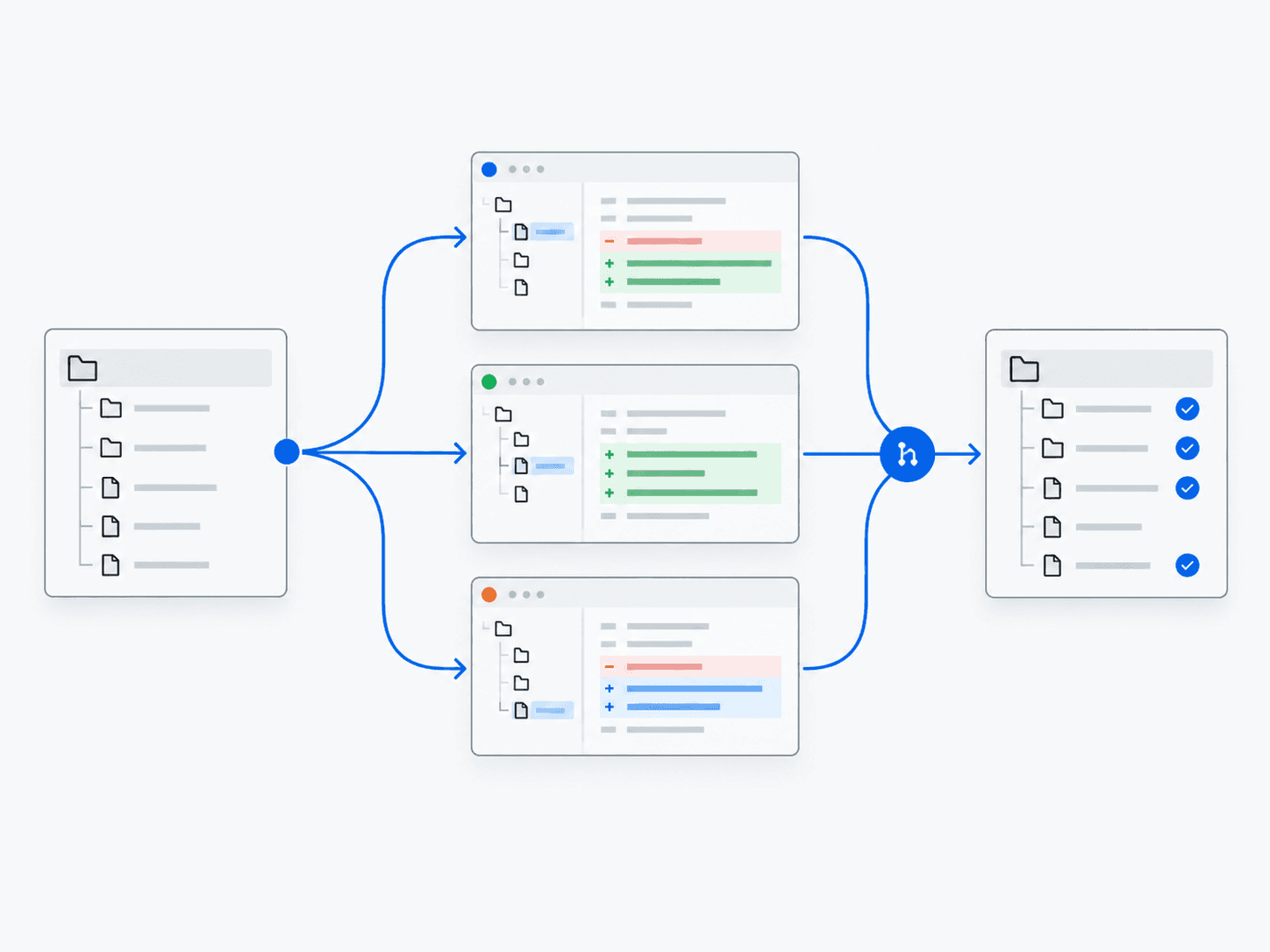
Work on independent code changes

“Make these separate changes without overwriting each other.”
  1. Separate workspaces
  2. Assign independent changes
  3. Review each result
  4. Merge and test together

What you getCombined work that still requires integration checks.

How the work happens

  1. 1Coordinator
  2. 2Separate work
  3. 3Review
  4. 4Integrate
  5. 5Test

What Muse can do

  • Split work across roles
  • Isolate parallel changes
  • Review before merge
  • Validate end-to-end results

Which Muse products are involved?

See it in practice

What to keep in mind

  • More workers can increase cost and coordination overhead.
  • Parallel changes can conflict even in isolated workspaces.
  • A shared mistake can propagate; independent review remains valuable.