Understand a codebase
Connect relevant files, dependencies and the change you want to make.
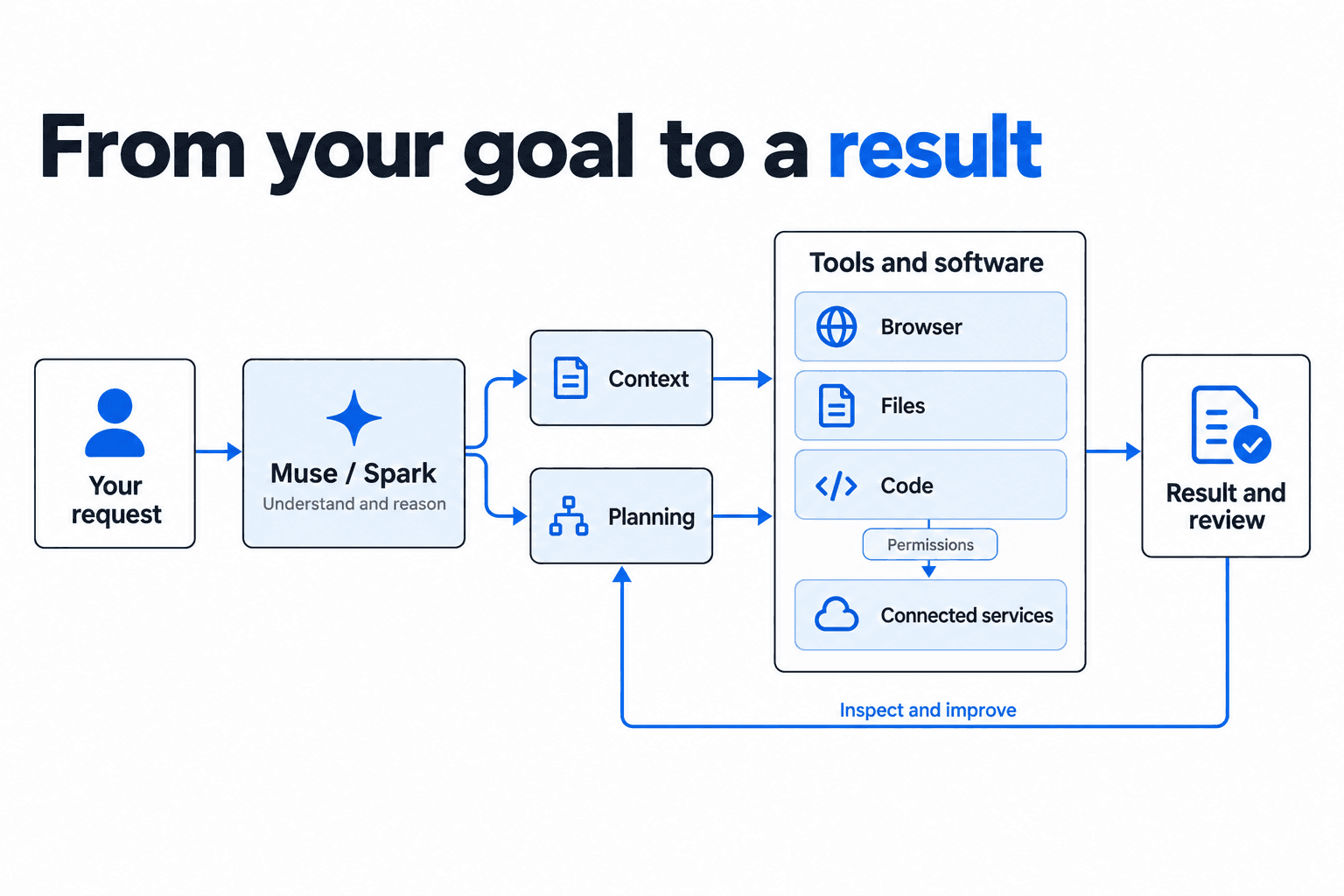
A model for understanding complex work and carrying it through.
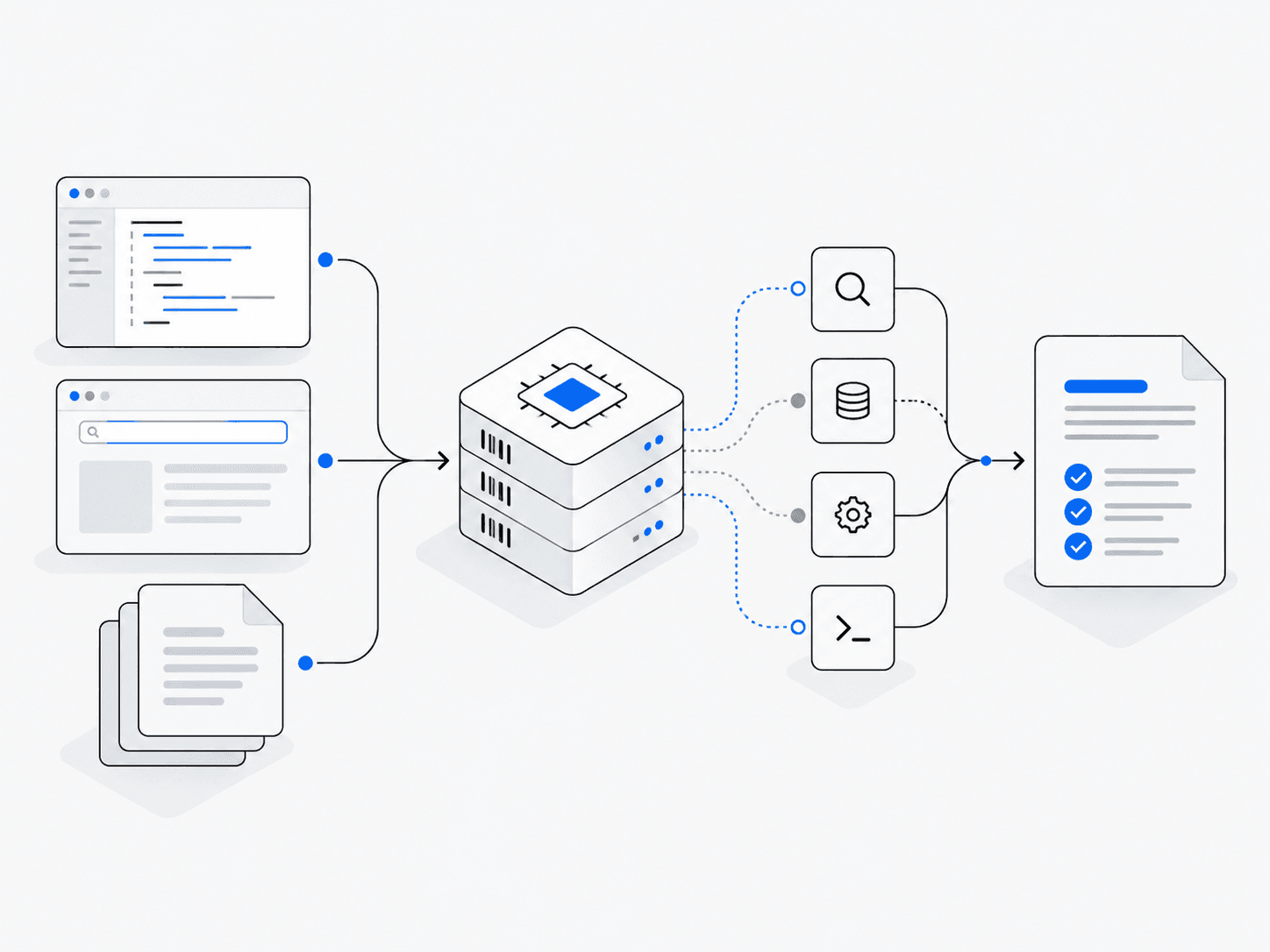
Muse Spark is Meta's cloud-hosted AI model for software development, computer use, tool calling and long multi-step work. It powers Muse Code and much of the consumer Muse product. Developers can also use Meta Model API, an interface that lets their software send requests to the model.
Connect relevant files, dependencies and the change you want to make.
Work through the interfaces supplied by the surrounding application.
Use context across multiple steps, then inspect the outcome.
Reason about images and documents alongside your instructions.
Follow a task from the repository to a reviewable correction.
Connect the user’s report with the address form, relevant code and expected checkout behavior.
Consider whether the empty optional field is being treated as a missing required value.
Ask the development tools to reproduce both the empty-field and completed-field cases.
Use the tool output to decide whether to revise the hypothesis or propose a correction for review.
Illustrative reasoning process. Muse Code supplies the editing and testing workflow.
| Consideration | Spark | Glimmer |
|---|---|---|
| Runs | Hosted service | Your hardware |
| Typical fit | Complex reasoning and tool-based work | Local files and self-managed workflows |
| You provide | Context, tools and permissions | Hardware, runtime, tools and controls |
| Tradeoff | Data handling depends on the hosted service | Hardware needs and capability limits |
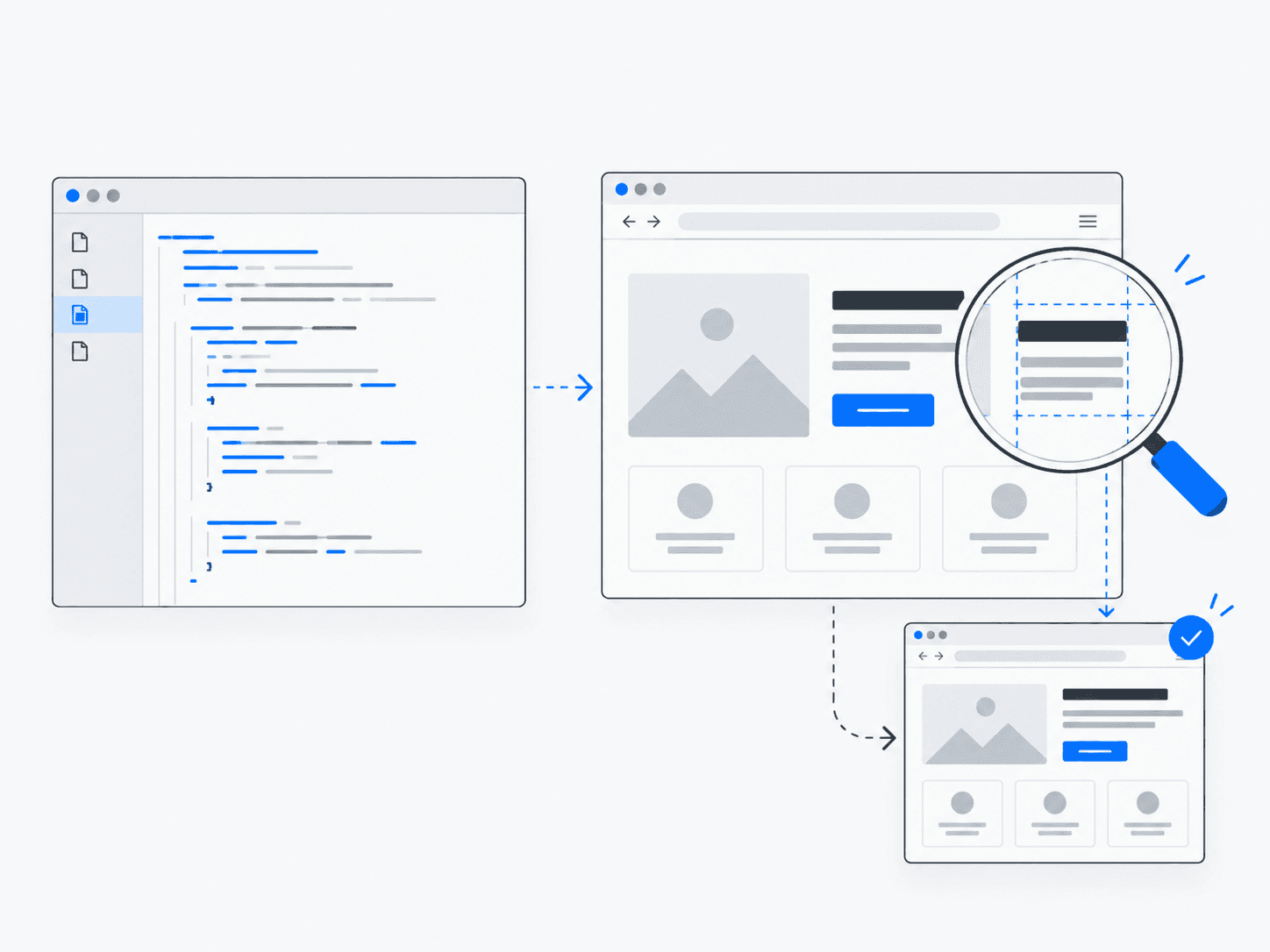
An AI workflow that creates a website, opens it in a browser, inspects the result and makes corrections.
View example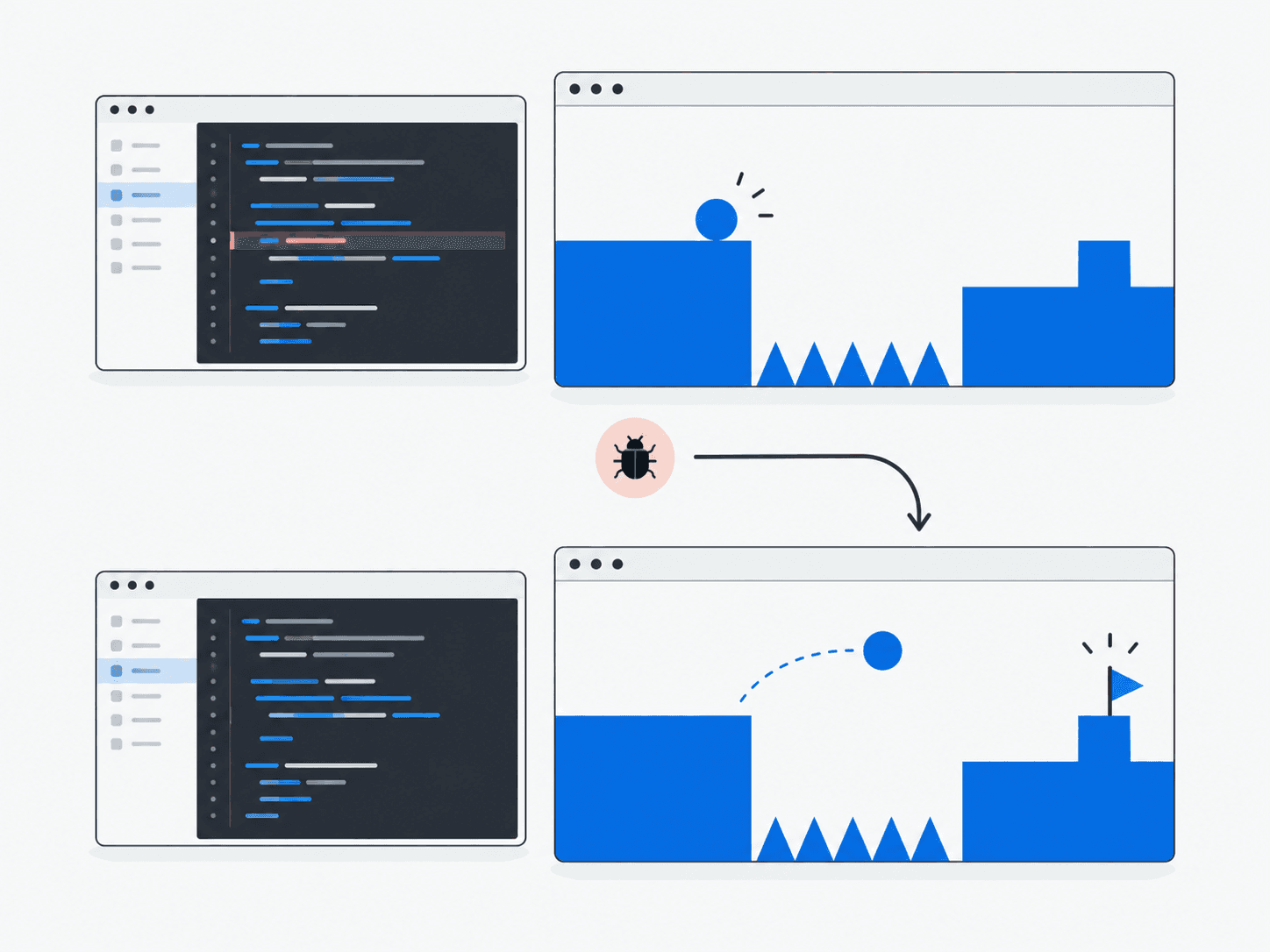
Builds a game, runs it, playtests through a browser and improves based on observed failures.
View example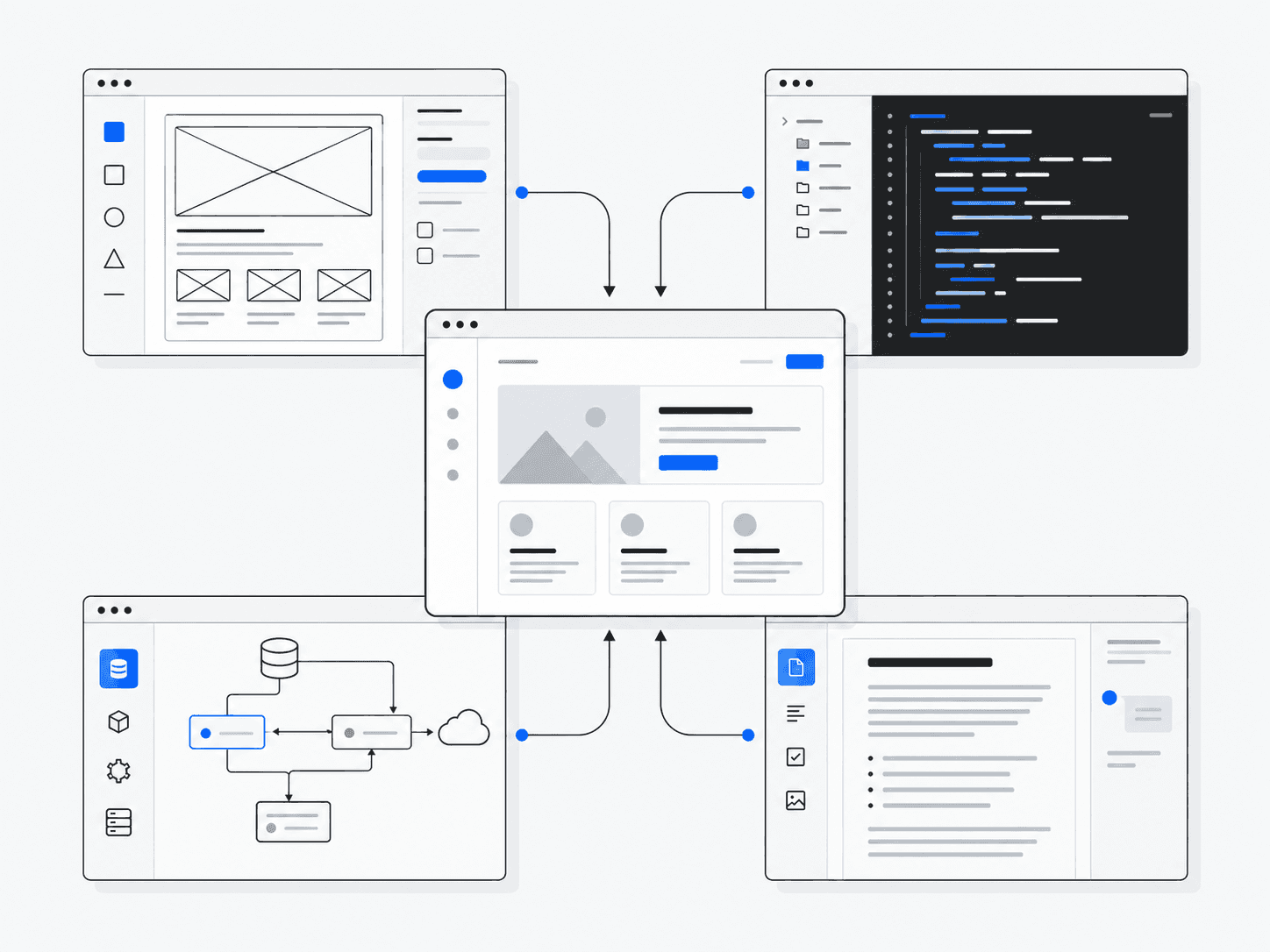
Product, frontend, backend and writing roles coordinate on a software project.
View exampleSpark runs through Meta Model API (and Muse Code). Applications send requests to Meta's hosted service, where the model can plan, call tools, read multimodal inputs and continue across long contexts.